


From Misunderstandings to Momentum
Today we explore Cross-Cultural Communication Scenario Kits for Global Teams, turning everyday friction into shared clarity. Through lived examples, guided role-plays, and actionable debriefs, your colleagues across continents can practice difficult moments safely, align expectations, and transform misread signals into reliable partnership and accelerated results across time zones.
Why Scenario Kits Transform Distributed Collaboration
Practice beats policy when messages hop across languages, time zones, and expectations. Scenario kits let teams rehearse tricky moments—missed deadlines, blunt feedback, silent meetings—before the stakes rise. By making invisible norms visible, colleagues replace guesswork with shared rituals, reducing friction, protecting relationships, and unlocking faster decisions everyone understands and supports.
Designing Scenarios that Reflect Real Cultures, Not Stereotypes
Culture is dynamic, local, and layered, not a cartoon. Effective scenarios anchor in business realities—procurements, retros, code reviews—while highlighting variables like power distance, directness, and uncertainty tolerance. We test with regional advisors and iterate quickly, removing caricatures, honoring nuance, and centering respectful curiosity over simplistic checklists.
Triangulate Sources and Lived Voices
Blend research, interviews, and workshop notes. Ask colleagues to narrate awkward emails, tense standups, or missed cues, then anonymize responsibly. Incorporate idioms, silence lengths, and decision pathways. When multiple perspectives converge, scenarios feel familiar yet instructive, inviting participants to share experiences in comments and enrich future iterations.
Nuanced Variables: Power Distance, Time, and Risk
Let learners toggle hierarchy levels, meeting formats, and deadline pressure. Shift from monochronic to polychronic planning; contrast consensus-seeking with decisive sponsorship. Show how risk appetite alters feedback speed. When variables change, outcomes morph, revealing that success depends on context-aware choices, not universal scripts or one-size-fits-all advice.
Accessibility and Neurodiversity in Scenario Design
Include captions, transcripts, and adjustable reading speeds. Offer written alternatives to live role-play, and provide clear advance prompts. Design for sensory sensitivity and varied processing times. Accessibility elevates everyone’s learning, ensuring participation from brilliant voices who might otherwise stay quiet during fast, ambiguous, cross-cultural exchanges.
Role-Play Frameworks that Feel Safe and Authentic
People learn bravely when they feel protected. Establish consent-based participation, rotating roles, and opt-out scripts. Normalize accents and differing speeds. Coaches model self-correction without shame. With safety in place, authenticity rises, courage expands, and teams test ambitious communication moves that become repeatable habits under pressure.
Safety Contracts and Consent Cues
Begin with a shared agreement: pause words, camera choices, and feedback preferences. Invite participants to name boundaries and learning goals. Facilitators monitor energy and adjust pace. When people co-create safety, they explore bolder approaches, disclose uncertainties, and translate breakthroughs into daily interactions across cultures and constraints.
Facilitator Prompts that Unlock Reflection
Ask, 'What intention did you hope landed?' and 'What might they reasonably infer instead?' Encourage meta-comments about tone, emoji, and silence. Capture quotes that sting and alternatives that soothe. Reflection turns missteps into insight, and insight turns into rituals teams can practice tomorrow morning.

Digital Delivery for Follow-the-Sun Teams

Async Branching Narratives in Chat
Learners progress through short messages, choosing replies that feel natural. Bots or facilitators surface cultural consequences instantly. People can experiment between meetings, saving insights to a shared board. Asynchronous practice respects time zones, reduces pressure, and keeps growth alive even during deadline sprints and travel.
Lightweight Facilitation in Video Rooms
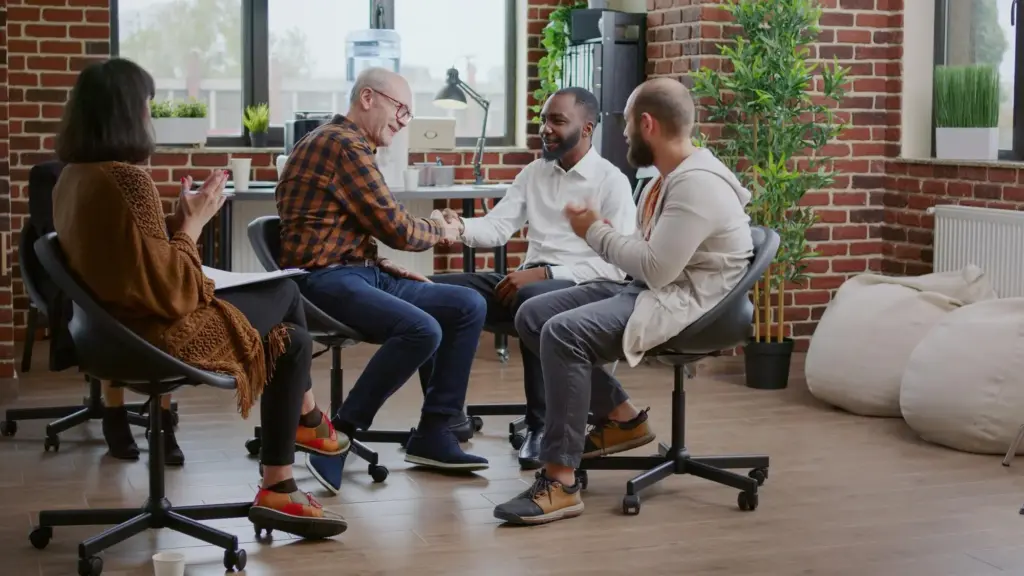
Use timers, speaking tokens, and rotating moderators. Encourage camera-off participation for bandwidth or comfort, and provide chat-only lanes. Record sketch notes instead of faces when policy requires. Lightweight structure keeps energy moving while inviting quieter colleagues to contribute without sacrificing authenticity or cultural nuance.
Data and Privacy Across Jurisdictions
Host content in-region when needed, minimize personal data, and anonymize reflections by default. Offer consent toggles, export options, and expiration controls. Transparency builds trust, especially when collaboration spans strict and permissive regimes. Share your governance questions, and we’ll respond with templates peers successfully deployed worldwide.
Starter Kit: Email Escalation Between Tokyo, Berlin, and São Paulo
An engineer flags a security risk near release. A terse email in one region reads caring in another and accusatory elsewhere. This kit helps teams navigate directness, saving face, and decision rights, practicing subject lines, threading etiquette, and escalation paths that protect both dignity and speed.




All Rights Reserved.